
As we push toward a more sustainable world, driven by the goals of the 2030 Agenda, we are increasingly adopting innovative and eco-friendly solutions to reduce our environmental impact. Electric vehicles (EVs) are at the forefront of this shift, with their numbers growing significantly in recent years.
However, the infrastructure used to charge these vehicles does not always receive the attention it deserves. We are talking about EV charging stations – or “charging piles” – now commonplace in both public and private spaces. As their presence continues to grow, it is vital to address the electrical safety of these structures. In this article, we explore how they work and why rigorous electrical safety testing is non-nehotiable.
LVD or Low Voltage Directive: regulations to keep in mind
To understand EV charging stations, we must first look at their regulatory classification. They fall under the Low Voltage Directive (LVD) 2014/35/EU, which covers health and safety risks arising from the use of electrical equipment within specific voltage ranges.
Specifically, the directive applies to electrical equipment designed for use with a voltage rating of between 50 and 1000 V for alternating current (AC) and between 75 and 1500 V for direct current (DC). This directive is the result of aligning the previous Directive 2006/95/EC with the New Legislative Framework (NLF).
How an EV charging station works
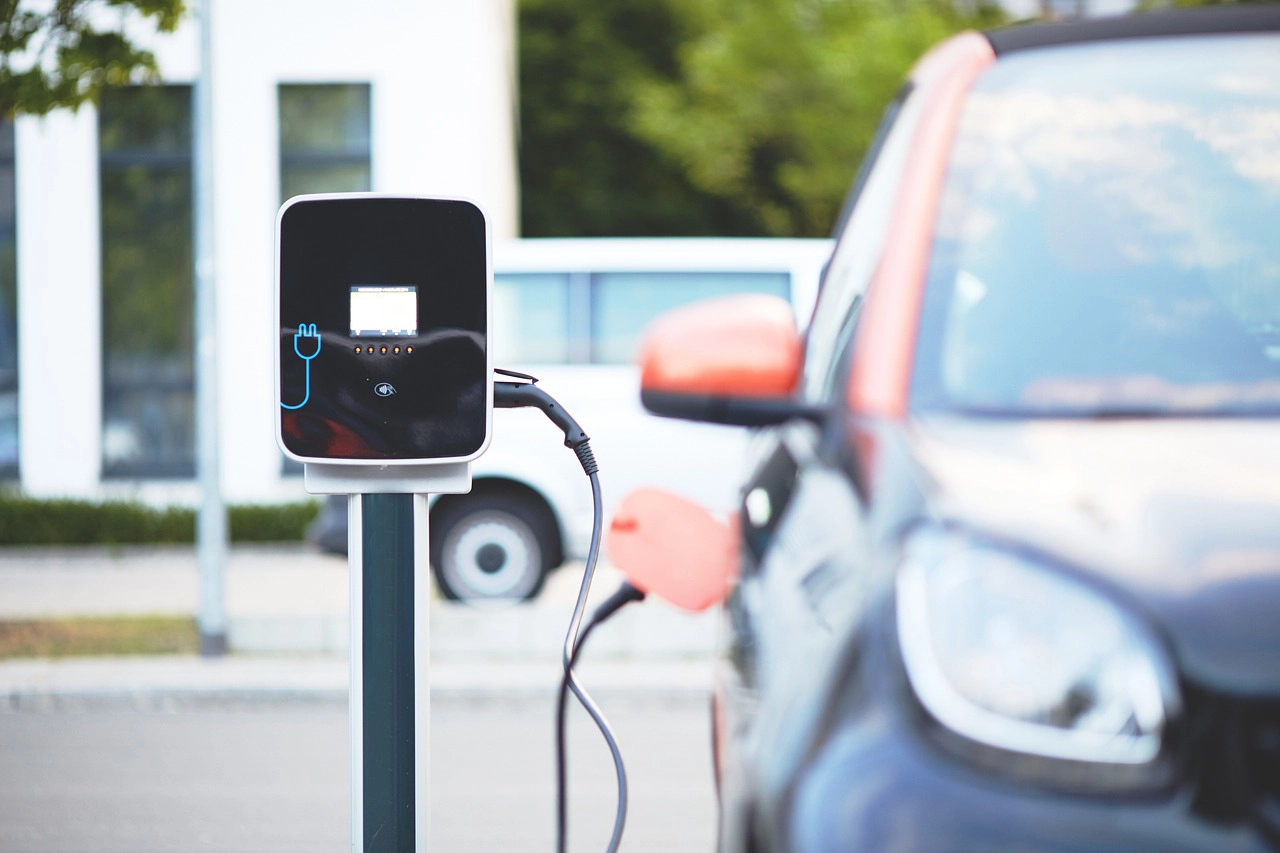
These stations are designed to supply power to an electric vehicle’s battery. Once parked the car is connected via a cable equipped with specific connectors that fit both the station’s socket and the vehicle’s inlet.
Some stations require user authentication to begin the process. Once authorized, the station begins delivering electricity. Power levels vary: domestic units (wallboxes) typically provide lower power (from 3 to 7 kW), while public stations can offer much higher rates. Throughout the process, parameters such as voltage, current and temperature are constantly monitored to ensure stability.
The danger of "DIY" charging stations
Unfortunately, the widespread adoption of electric cars has been accompanied by a surge in improvised “DIY” tutorials and articles on how to build a home charging station. Furthermore, several untested products have entered the market, often ending up in the hands of unsuspecting customers.
Standardization committees have been clear on this matter, both regarding fixed charging stations (IEC 61851) and mobile charging units (IEC 62752). The commercialization of “kits” that do not comply with these standards represents a grave danger to users.
Electric mobility involves high energy loads; therefore, strict controls are essential for safe use. For instance, the presence of comprehensive regulatory manuals within these kits should be a baseline requirement, yet they are often missing. Another critical issue is that manufacturers can “self-declare” conformity and apply the CE mark. While reputable manufacturers have their products validated by third-party bodies like TÜV or VDE, some only perform basic functional tests. A functional test only proves that device “works” for its intended purpose; it does not guarantee compliance with safety standards. This lack of market surveillance poses multiple risks to consumers.
Can the grid handle the load?
As EVs become more prevalent, users are demanding larger batteries to eliminate “range anxiety”. But can the national grid handle this increased demand?
The real obstacle here is power, not just total energy. Consider an EV traveling 15.000 km per year an average consumption of 18 kWh/100 km: it would consume 2,700 kWh annually-roughly the same as the average Italian household. If estimates hols, by 2030 there could be 5 million EVs in circulation. This would lead to a total consumption of 13.5 TWh per year, or about 4% of Italy’s total electricity consumption. This percentage is manageable, especially given national efficiency improvements.
However, the power demand is more complex. Take DC fast chargers, which average 100 kW. If 200,000 cars charged simultaneously at this power, the grid would need to provide 20 GW – approximately 36% of Italy’s average peak power (55 GW). On a local level, just 40 cars charging simultaneously would require 4MW, a load that could overwhelm a neighborhood or small town grid.
To address this, solutions like smart charging and smart grids are being deployed. Vehicle-To-Grid (V2G) technology will allow EVs to return energy to the grid when needed, turning them into “distributed mobile batteries” that help balance supply and demand in real time.
Why testing EV charging stations is essential
Accurate testing is fundamental to ensuring safety, efficiency and reliability.
- Electrical safety: an untested station could cause short circuits, power surged or overheating, risking the safety of users, vehicles and the local grid.
- Regulatory compliance: tests verify that the station complies with European standards like the LVD and specific IEC standards. Compliance is essential not only to avoid legal penalties but to protect consumers from substandard products.
- Stability and functionality: stations must deliver promised power consistently while monitoring for anomalies in voltage or temperature.
- Future integration: as we move toward smart grids and V2G technology, the demand for high safety and reliability standard will only increase
Rigorous testing is the only way to ensure that charging infrastructures meet user needs while contributing to a stable and efficient energy systems.

